


Film Making Diploma
Film Making Diploma - Overview
The Digital Film Making Diploma programme covers all necessary aspects of computer-based video production techniques and camera techniques. It presents students with a complete and far-reaching education. The course content and structure encourage students to learn the theoretical background to the topics covered and to apply this, creatively, to the production process. Individual practical time and experimentation is an essential component of the course. Successful completion of the diploma level gives graduates the possibility to continue their studies towards a Bachelor of Arts (Honours) Film Making.
Aims
Students will have a broad, yet focused, understanding and skill-set in all of the main areas related to film production and post production. The course ensures that students will have the necessary skills to continue developing and adapting to the changes in this fast paced industry. Essential skills and techniques are taught in a creative atmosphere with a strong emphasis on the practical application of design and theoretical concepts.
Course Details
Qualification
SAE Diploma (Equal to 180 University credit points)
Diploma Entry Requirements
Note: If you are applying from outside the United Kingdom please contact the SAE College in your country to confirm your equivalent educational standing or contact SAE directly.
- minimum age 17; and
- completion of a minimum of two grade C GCSE’s or equivalent; or
- mature age students over 21 years; or
- on receipt of suitable evidence, SAE shall seek to admit all prospective students (via special entry) who are considered to have a reasonable chance of success in the programme.
Diploma Duration
12 months full time or 24 months part time (900 clock hours)
Degree Pathway
After successful completion of the SAE Diploma programme students are able to continue their studies to the degree level. The degree is issued in partnership with Middlesex University and is a BA (Hons) Film Making degree.
Assessment method and award
Practical
- throughout the course, students submit a number of prescribed practical projects; and
- students undertake a substantial film project, within the guidelines set by the College; and
- a final practical "show reel" presentation
Theoretical
- theoretical progress examinations are held at regular intervals over the duration of the Programme; and
- the preparation and submission of a written diploma assignment on a subject of the student's choice. (Subjects must be approved by the programme Co-ordinator); and
- a final written theory examination.
Award
- In order to qualify for the SAE Diploma, candidates need to reach an overall assessed mark of seventy five (75) percent (theory and practical).
- Graduates who have successfully completed the Diploma programme qualify for up to half (180 credit points) credit towards the BA (Hons) Film Making Arts Degree Programme.
Film Making Diploma - Subject Overview
The list below shows only the main topics covered during the course in alphabetical order. For a complete list please see our curriculums displayed at each SAE location.
Advanced Editing and Lighting
In this module students are trained to work with uncompressed video on high-end editing workstations such as Avid and Final Cut Pro. Students learn advanced hard and soft lighting techniques, keying, fill and back lighting. Theory classes offer students insight into the use of lighting to help enhance the style of their digital film projects and create a mood.
Camera Operation
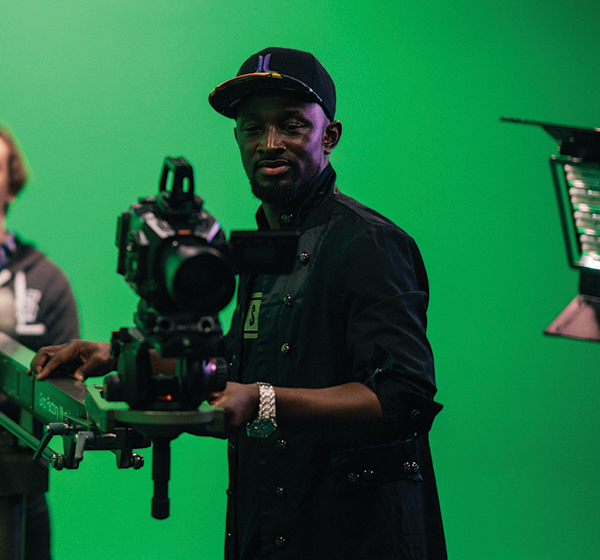
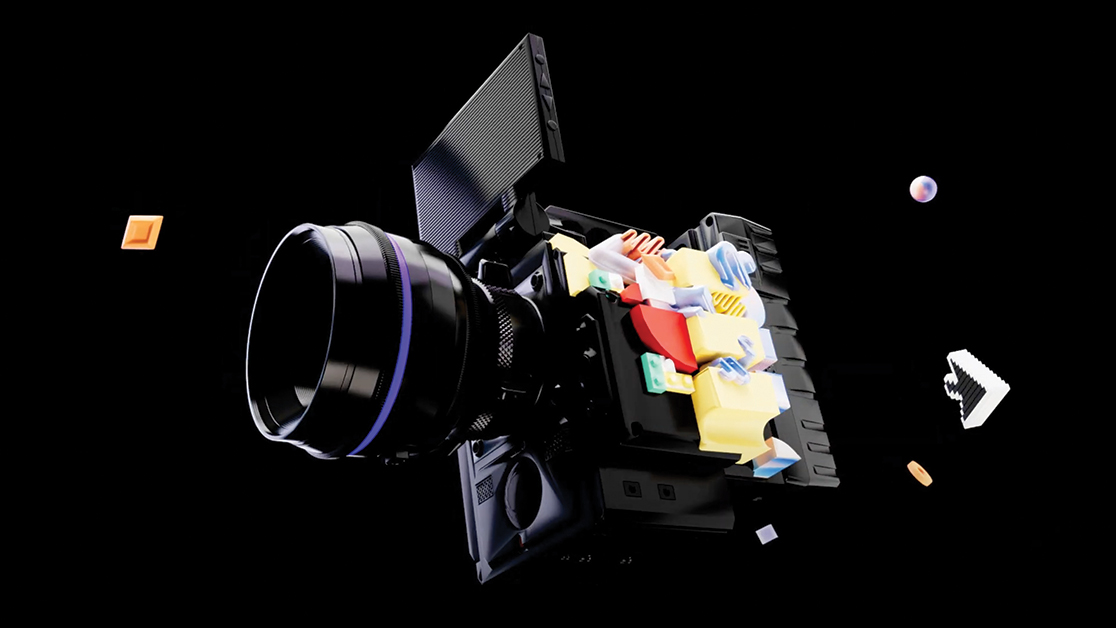
Students learn how to operate professional digital video cameras, lighting systems, camera stabilising equipment and location audio recording equipment, learn framing techniques and capturing the 'mood', the theory behind visual expression, weight, very close/close/distant framing and object positioning in relation to focused subject matter. Great emphasis is placed upon the creative side of camera usage.
Digital Video Basics
This module covers the basic use of DV/HD camera and other professional camera equipment, how to maintain location recording equipment, professional video signal flow and digital video terminology. Students learn about the different video formats and various digital storage systems.
Digital Audio
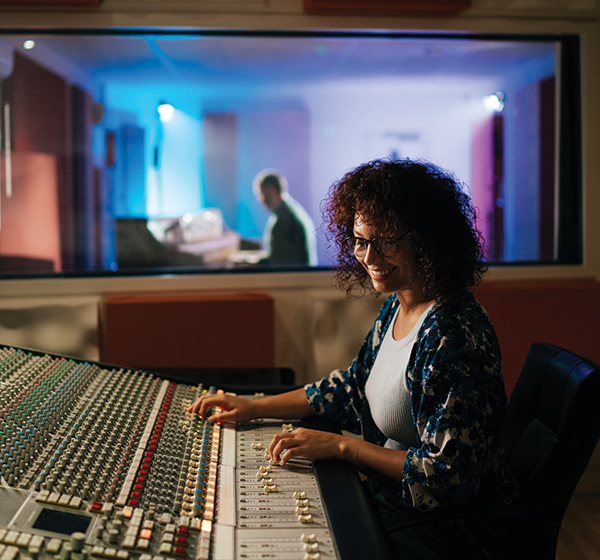
This module covers professional audio recording equipment, students learn how to properly setup microphones and digital recorders on film sets, how to capture and edit audio for post production and the use of sound fx. Students learn how to create compelling soundtracks for their visual productions.
Directing
Understanding the various approaches Director's use in creating the final film look and feel, the psychology of film and film directing, case studies, film analisis and discussion, directing and producing principals, understanding and working with actors, script development and the role of the directo.
DVD Authoring and Delivery Formats
In this module students learn how to create interactive DVDs for project delivery and create exciting menu systems. Students will also learn how to deliver finished projects in professional tape formats and to optimise files for broadband Internet delivery or broadcasting.
Editing Techniques
This module covers rudimentary theory and the practical application of common non-linear editors such as Final Cut Pro. Students learn how to capture footage from analogue and digital sources, perform basic editing techniques and colour correction. Students learn how to optimise captured footage and format it for use with different types of file compression. Great emphasis is placed upon the creative side of digital editing.
Industry Issues
Students have lectures from industry professionals who will discuss relevant issues in the television and film industries. This section covers issues pertaining to copyright laws, showreel preparation, CV preparation and job interviewing techniques.
Project Planning and Management
This section teaches students how to plan a complex digital film project. Students learn how to develop scripts, create detailed storyboards, budget projects both logistically and financially and maximise efficiency on location. Students learn the concept of film directing, working with actors, supervise crew members and oversee a project to completion.
Special FX, Compositing and 3D
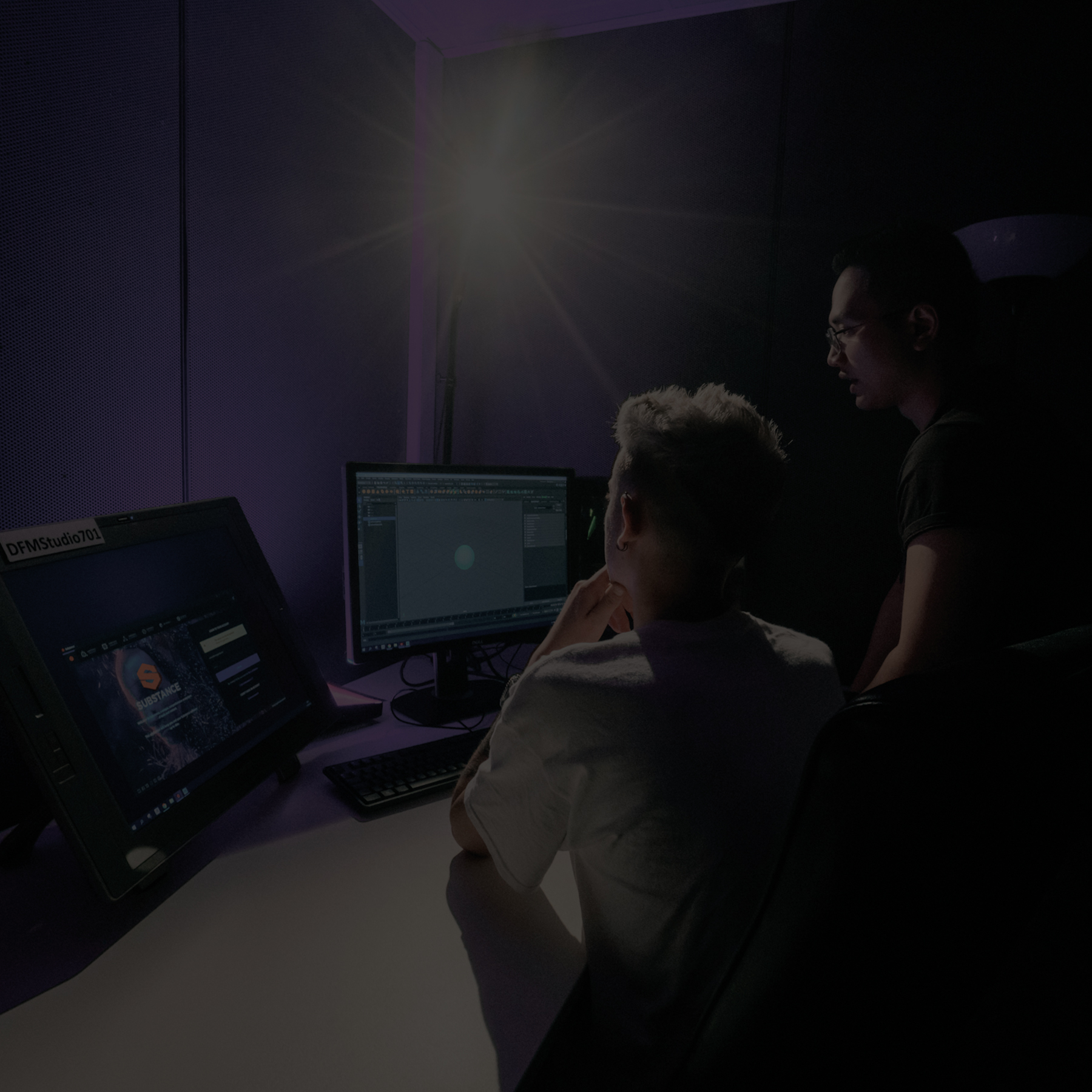
This section of the course focuses on the process of combining live action footage with computer generated content to form a seamless blend of exciting and professional visual expression. Students learn tricks and techniques using industry standard software. Students will also learn to composite 3D content into live action footage.
Understanding movies
Emphasis is also placed on the ability to engage in constructive discussion and offer critical analysis of different film styles and techniques. Students are encouraged to develop a high level of insight and understanding into the film industry and the practical implementation of Digital Film technology. Students will learn techniques for directing location recordings, working with actors, planning practical project logistics, and film budgeting. Throughout the Digital Film Production course, students will be involved in producing a variety of projects such as documentaries, music videos, and short films.